
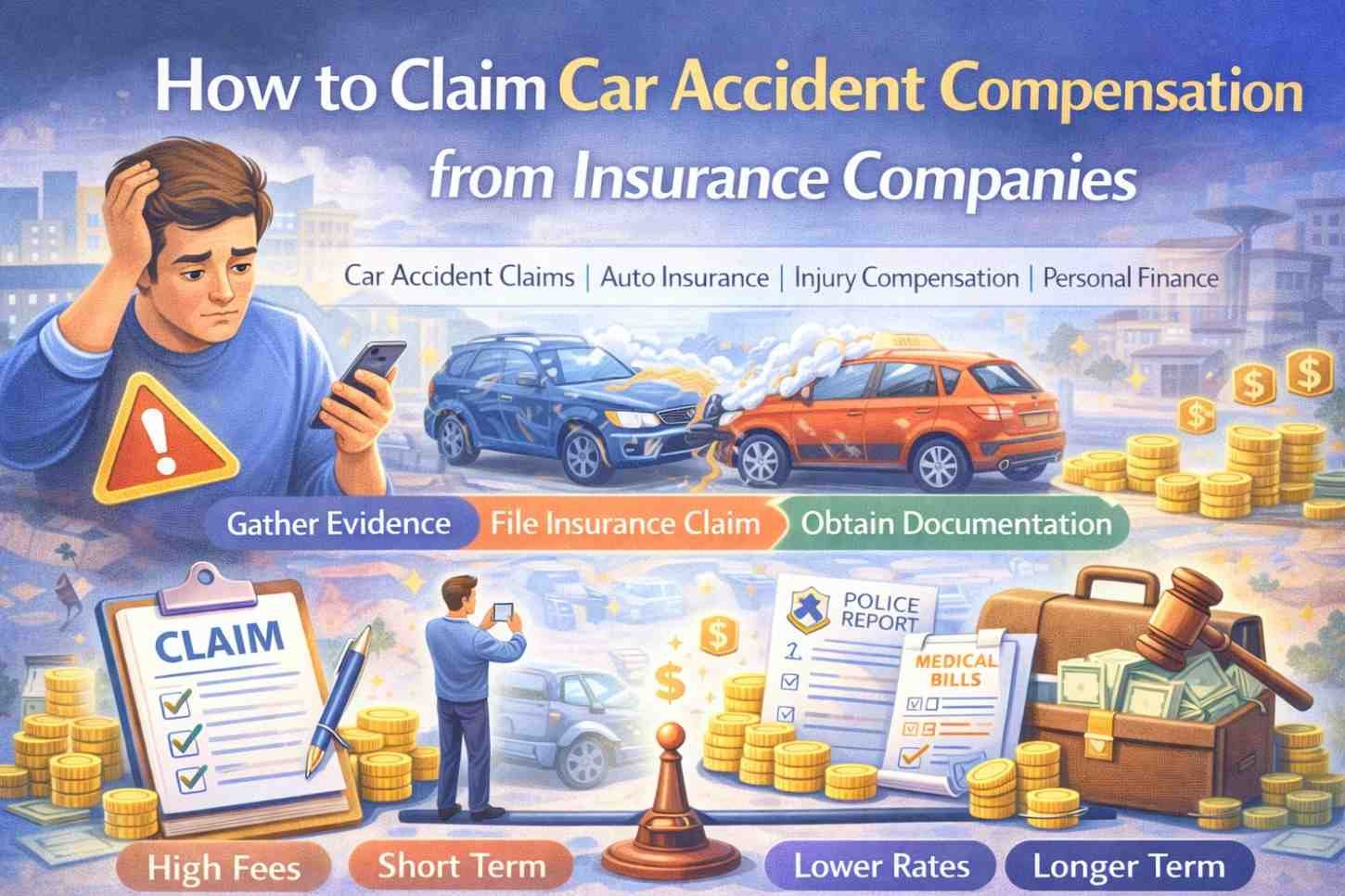
Car accidents can happen unexpectedly and often lead to financial losses, vehicle damage, and even serious injuries. When such situations occur, the first concern for most drivers is how to recover the financial costs associated with the accident. This is where Car Accident Compensation from insurance companies becomes extremely important.
Whether it involves vehicle repairs, medical bills, or lost wages, understanding how to file a proper claim ensures that you receive the compensation you deserve. In this guide, we will explain the step-by-step process for filing a Car Accident Insurance Claim, highlight important requirements, and provide expert tips to help you secure fair compensation.
What Is Car Accident Compensation?
Car Accident Compensation refers to the financial reimbursement provided by an insurance company after a vehicle accident.
This compensation can cover multiple types of damages, including:
- Vehicle repair costs
- Medical expenses
- Property damage
- Lost wages due to injury
- Legal expenses
Most drivers receive compensation through their Auto Insurance Policy, depending on the coverage they selected.
Types of Car Insurance Coverage for Accident Claims
Liability Insurance
Covers damage or injury caused to another driver.
Collision Coverage
Pays for repairs to your own vehicle after an accident.
Comprehensive Insurance
Protects against theft, vandalism, fire, and natural disasters.
Personal Injury Protection (PIP)
Covers medical expenses for the driver and passengers.
Understanding your Auto Insurance Coverage helps determine the compensation you can claim.
Step-by-Step Guide: How to Claim Car Accident Compensation
1. Ensure Safety and Seek Medical Attention
The first step after any accident is ensuring the safety of everyone involved.
- Move vehicles to a safe location if possible
- Check for injuries
- Call emergency services if necessary
Medical documentation is crucial when filing a Car Accident Injury Claim.
2. Report the Accident to Authorities
In many regions, drivers are legally required to report accidents to the police.
A police report includes:
- Accident details
- Witness statements
- Driver information
- Official accident assessment
This report becomes an important document when filing a Car Insurance Claim.
3. Collect Evidence at the Accident Scene
Proper documentation strengthens your claim.
Evidence to collect includes:
- Photos of vehicle damage
- Road conditions and traffic signals
- Contact information of witnesses
- Details of other drivers involved
4. Inform Your Insurance Company Immediately
Most insurers require policyholders to report accidents within 24–48 hours.
Provide the following details:
- Insurance policy number
- Accident details
- Photos and documentation
5. Submit Required Documents
Insurance companies typically request several documents before processing claims.
- Insurance policy details
- Police accident report
- Vehicle registration documents
- Driver’s license
- Medical bills (if applicable)
6. Vehicle Inspection and Damage Assessment
An insurance adjuster will inspect the vehicle to determine:
- Extent of vehicle damage
- Estimated repair costs
- Accident circumstances
This evaluation determines the final Car Accident Compensation Amount.
7. Claim Approval and Compensation Payment
Once approved, the insurer processes the payment.
Compensation may include:
- Direct payment to repair shops
- Reimbursement to the policyholder
- Medical expense coverage
Key Factors That Affect Car Accident Compensation
- Severity of Vehicle Damage
- Insurance Coverage Limits
- Driver Fault Determination
- Medical Expenses
Car Accident Compensation Claim Process Overview
| Step | Action | Purpose |
|---|---|---|
| Step 1 | Ensure safety and seek medical help | Protect driver and passengers |
| Step 2 | Report accident to police | Create official accident record |
| Step 3 | Collect evidence | Strengthen insurance claim |
| Step 4 | Inform insurance company | Start claim process |
| Step 5 | Submit documents | Provide proof of damages |
| Step 6 | Insurance inspection | Assess vehicle damage |
| Step 7 | Receive compensation | Final claim settlement |
Tips to Maximize Your Insurance Claim
- Document everything and take photos
- Be honest with the insurance company
- Keep medical records
- Follow claim deadlines
Common Reasons Insurance Claims Are Rejected
- Incomplete documentation
- Policy exclusions
- Delayed accident reporting
Benefits of Filing a Proper Insurance Claim
- Covers vehicle repair costs
- Pays medical expenses
- Reduces financial stress
- Provides legal protection
Conclusion
Understanding How to Claim Car Accident Compensation from Insurance Companies is essential for every driver. Accidents can lead to unexpected financial burdens, including vehicle repairs, medical expenses, and other related costs.
By following the correct steps—reporting the accident promptly, collecting evidence, submitting accurate documentation, and cooperating with insurance investigators—drivers can significantly increase their chances of receiving fair compensation.
When handled correctly, Car Accident Compensation Claims help drivers recover financially and return to normal life after an accident.